General
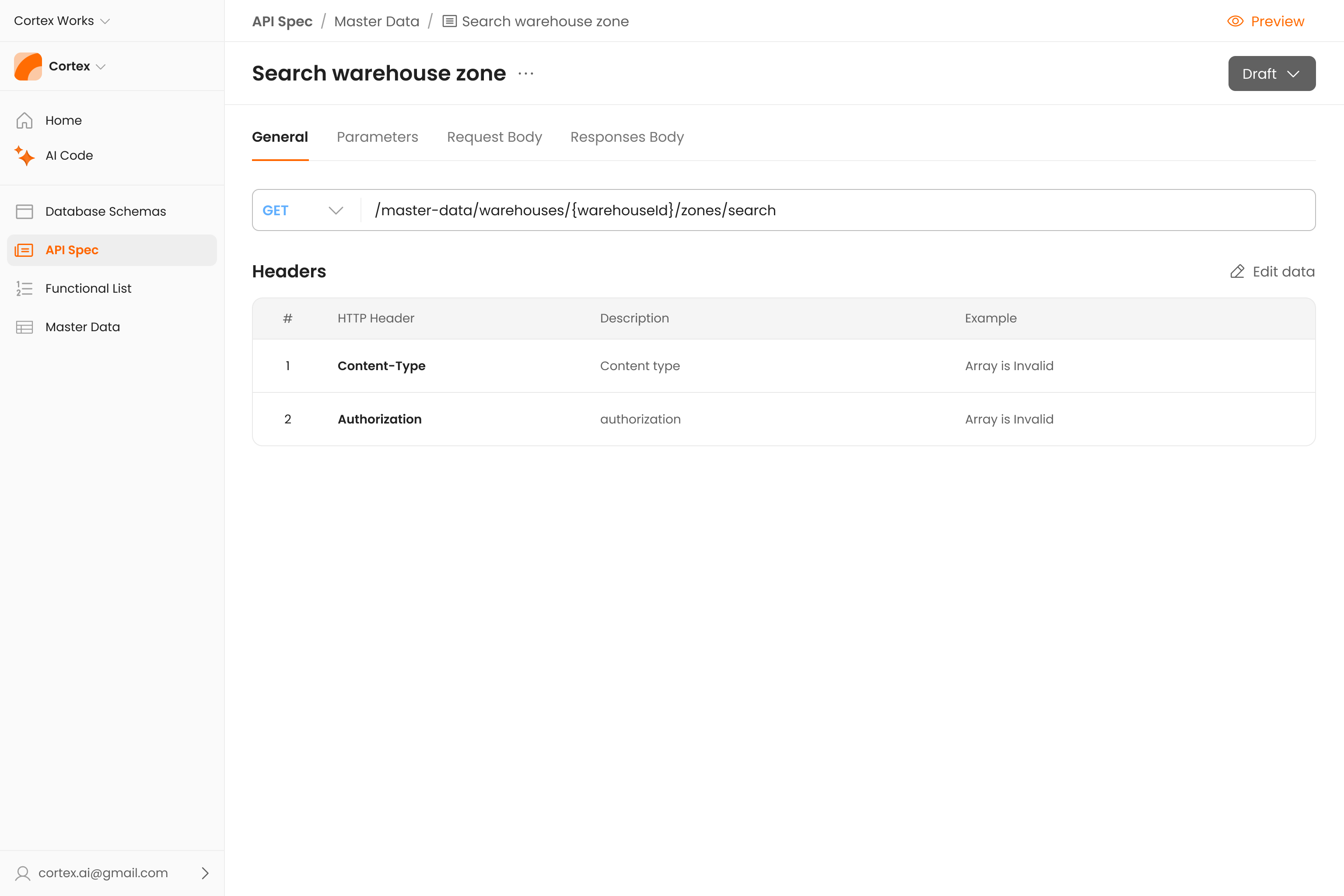
This is the first and most fundamental step in designing your API, as it establishes the endpoint's primary identity and how it can be accessed.
Core Functionalities
1. API Path and Name
You define the unique URL where the API will live (e.g., /users/{id}) and give it a human-readable name for easy reference within the system.
2. Method
You select the verb that dictates the endpoint's function. This is critical for following RESTful design principles (e.g., GET to retrieve data, POST to create data, PUT to update, DELETE to remove).
3. HTTP Headers
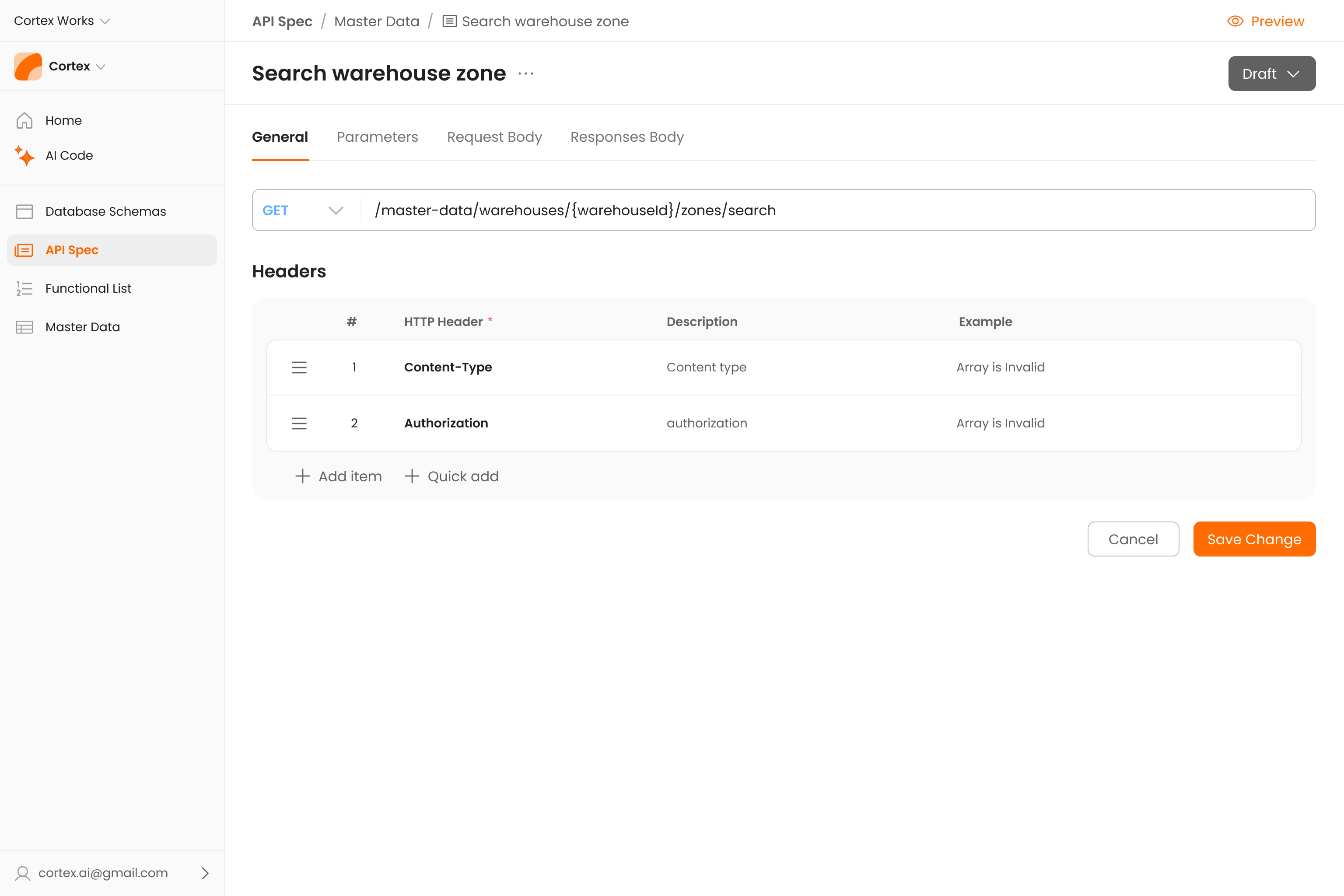
This allows you to specify the required headers for a request. Common examples include an Authorization header for security tokens or Content-Type to declare the format of the request body (e.g., application/json).